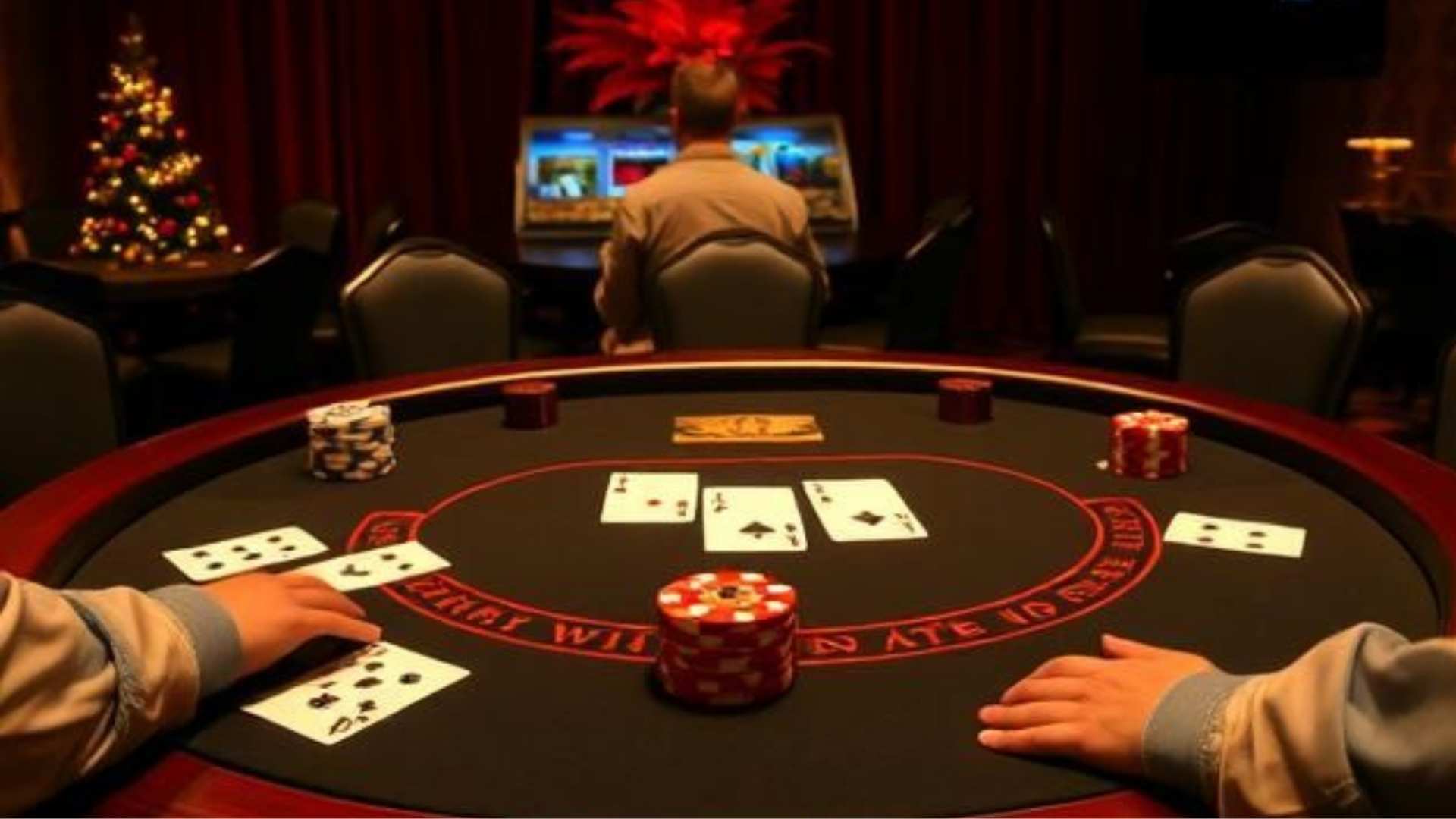
The traditional card game of contract bridge is widely recognized as an exceptional tool for developing collaborative mindsets across all experience levels. Success at the table relies heavily on how well two distinct individuals can synchronize their tactical strategies without uttering a single vocalized word. By engaging in regular matches, participants can drastically improve their interpersonal coordination while building a resilient foundation for long-term mutual trust.
The Language of Coded Auctions
The initial bidding phase serves as a highly structured conversation between partners before a single card is ever played onto the table. Each calculated bid carries specific mathematical information regarding overall hand strength and suit distribution, requiring absolute clarity from both participants during competitive tournaments. Misinterpreting a single defensive announcement can quickly lead to a disastrous contract, which highlights the critical need for a precise system agreement.
To reduce costly errors at the table, successful pairs invest substantial energy into studying shared conventions and testing diverse competitive scenarios together. This continuous educational process teaches players to listen actively and evaluate their partner's unique tactical perspective dynamically throughout the entire session. Over time, this disciplined communication framework translates directly into better strategic alignment during high-pressure tournament moments.
Defensive Coordination and Signaling
When playing on the defensive side, partnerships face the difficult task of neutralizing an opponent's aggressive contract using incomplete data. Players must utilize specialized card placement signals to relay crucial details about their remaining holdings to their teammate without breaking formal rules. An accurate opening lead or a subtle discard can instantly alter the defensive strategy and shift the total momentum of the game.
Many competitive enthusiasts regularly follow major online updates via platforms like M88 sports to analyze how top-tier tournament pairs navigate complex defensive dilemmas. Observing expert card behavior helps amateur players understand the absolute necessity of maintaining strict table discipline under pressure. Developing these collaborative habits ensures that neither player acts in isolation, creating a unified front that can systematically dismantle the declarer's intentions.
Building Shared Resilience under Pressure
Bridge naturally forces participants to step away from isolated solo strategies and focus entirely on collective team execution from start to finish. Partnership emotional resilience is thoroughly tested whenever a layout goes wrong or an unexpected card finesse fails during a critical match. Instead of assigning individual blame, highly successful pairs use these challenging moments to evaluate structural flaws in their shared bidding system.
This supportive approach creates an ideal environment for steady experimentation and continuous cognitive learning over long periods of competitive play. As a direct result, pairs that prioritize open partnership communication experience far greater success and satisfaction in regional tournaments. The deep mental alignment forged at the card table ultimately carries over into diverse real-world collaborative problem-solving situations.