Keno has come a long way from its ancient origins, successfully transforming from a slow-paced physical lottery into a dynamic staple of modern internet casinos. Over the last few decades, digital innovation has fundamentally altered how players interact with the classic grid, shifting from simple basic web designs to highly immersive live drawing systems. Today, the game caters to a much faster lifestyle while retaining the foundational rules that have kept it popular for generations.
The Transition from Desktop to Multi-Device Play
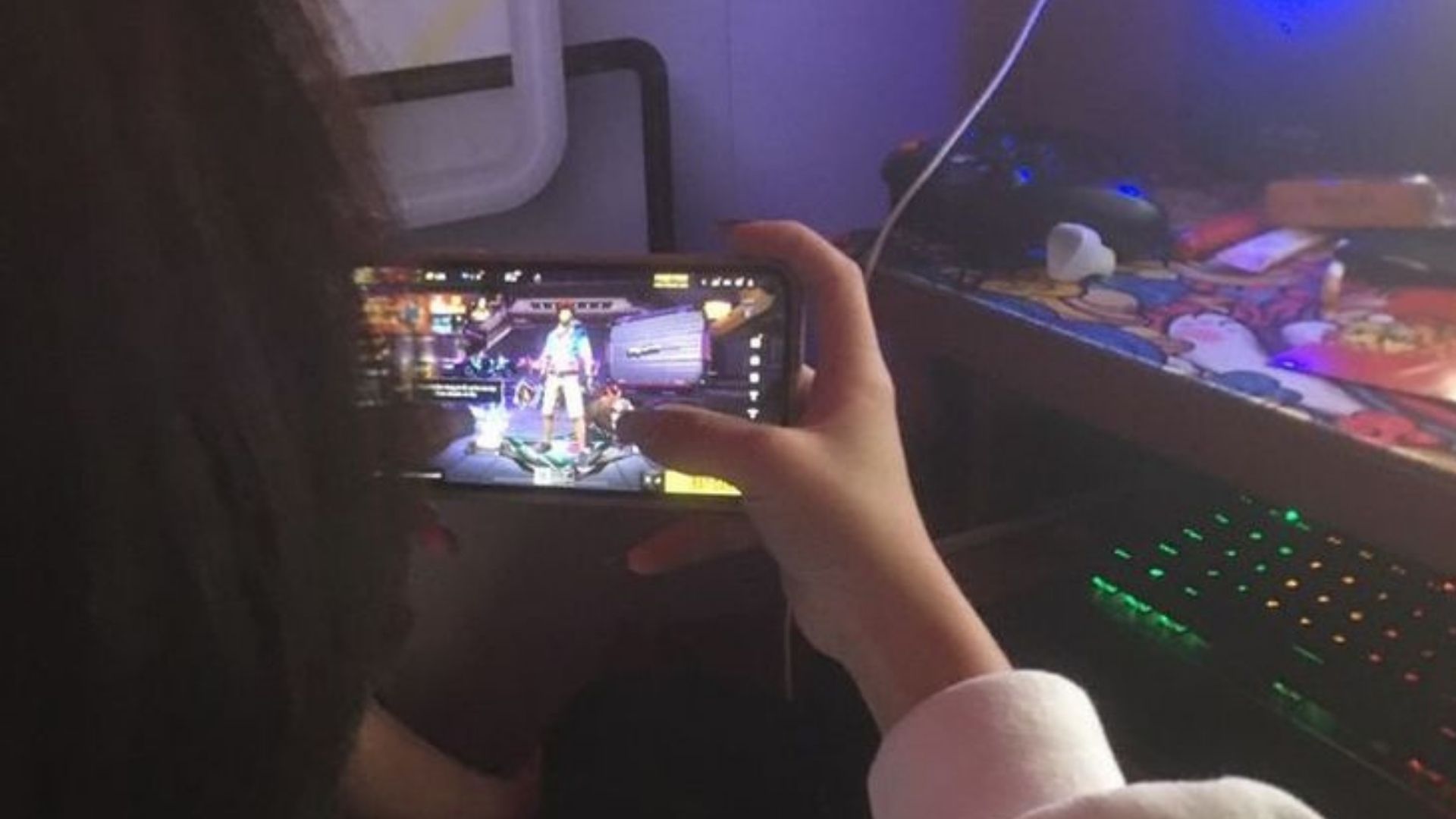
In the early days of online gaming, players were confined to stationary desktop computers running basic web browsers to enjoy a virtual numbers draw. Early software versions relied heavily on rudimentary graphics and static menus that lacked the vibrant atmosphere of real-world gaming lounges. However, the rise of powerful modern smartphones has completely redefined the landscape by moving the action directly into the palms of our hands.
Contemporary gaming platforms ensure that virtual cards load almost instantly across all major smartphone operating systems and web browsers. This shift allows players to participate in rapid drawings during their daily commutes or short work breaks without any drop in performance. Exploring these mobile upgrades on modern sports networks like M88 sports demonstrates how seamless the interface has become for casual users globally.
Enhanced Pace and Expanded Gameplay Variations
Traditional draws in physical casinos historically required several minutes or even hours of waiting between successive game rounds. The shift to digital software eliminated these long delays entirely, introducing automated fast-paced variants that deliver random results within seconds. Players now possess full control over the pace of their session, enabling them to trigger drawings as quickly or slowly as they personally prefer.
Beyond speed adjustments, technology has also enabled developers to introduce creative spin-offs that break away from standard multi-spot tickets. Modern digital versions frequently incorporate multiplier wheels, progressive prize pools, and interactive bonus rounds to create deeper engagement layers for experienced enthusiasts. These diverse options mean that participants are no longer bound to a single traditional format when exploring online variations.
Advancements in Transparency and Fairness Systems
When the lottery game first arrived on the internet, many early participants expressed natural concerns regarding the integrity and fairness of digital drawings. To establish long-term trust, modern platforms integrated sophisticated Random Number Generators that are continuously audited by independent third-party laboratories. These mathematical systems guarantee that every single number pulled from the virtual hopper remains completely unpredictable and fair.
Furthermore, contemporary gaming websites now routinely publish precise paytables and clear probability statistics directly within their user interfaces. This high level of transparency allows newcomers to study the mechanical behavior of different spot combinations before wagering real money. By demystifying the mathematical architecture behind each round, digital platforms have successfully fostered a much safer environment for casual leisure.