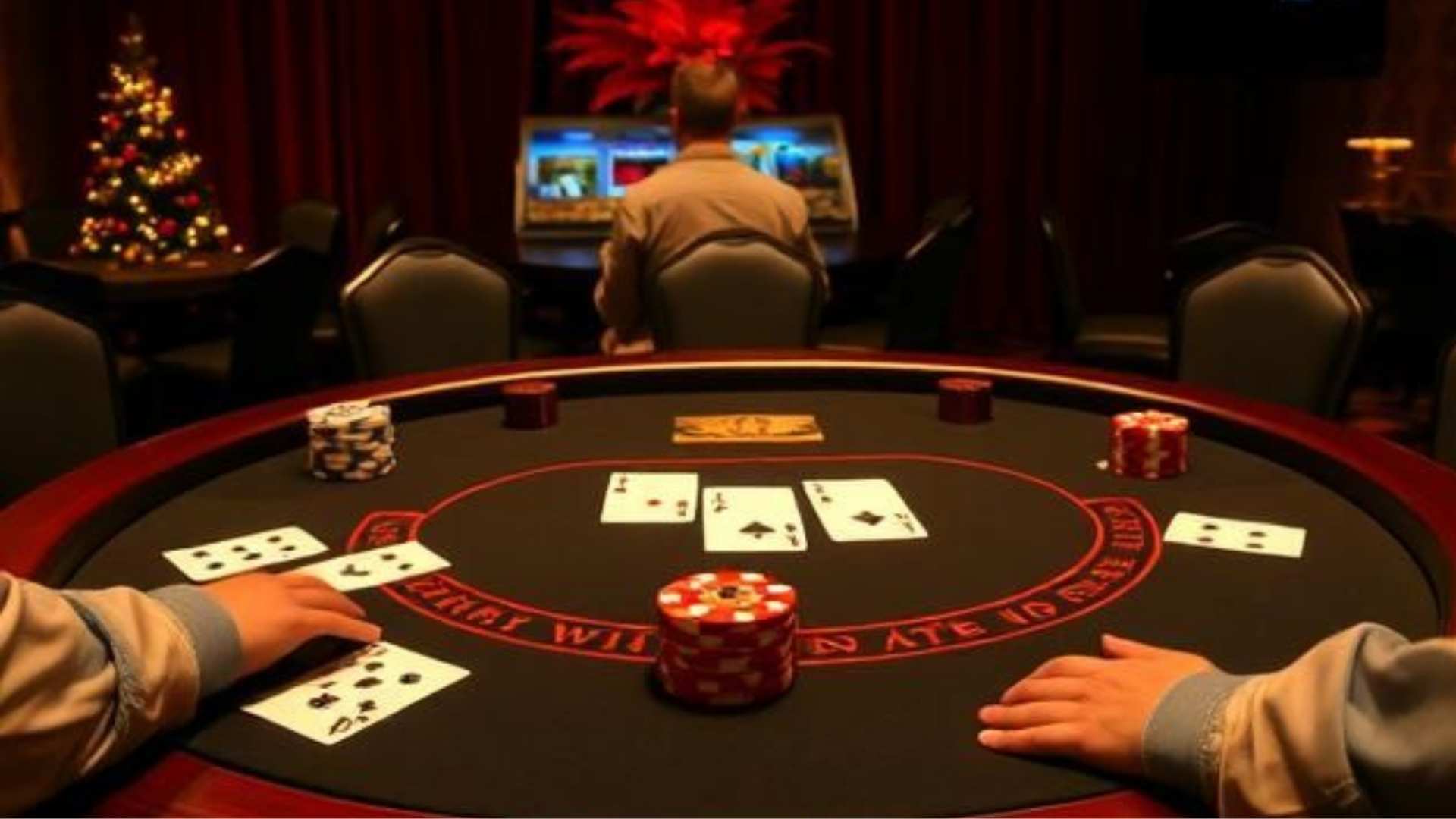
Mastering the ability to evaluate your opponents at the card table can dramatically elevate your execution of tactical deception. Smart table reads require a keen eye for subtle behavioral shifts and situational variables rather than relying on pure guesswork. By learning to decipher these hidden dynamics, you can execute highly calculated bluffs that yield profitable results over the long term.
Recognizing Behavioral Baseline Shifts
Every player establishes a standard behavioral baseline during the initial rounds of a poker session. Observing how an individual handles their chips or maintains posture when they hold strong hands provides crucial points of comparison. When a player suddenly deviates from this normal demeanor, it often signals an opportunity to exploit their vulnerability.
For instance, an opponent who suddenly starts talking more might be attempting to project false confidence during a weak bet. Conversely, a quiet player who unexpectedly becomes completely rigid could be holding an absolute monster hand. Recognizing these minor alterations allows you to make much more accurate decisions when planning a deceptive move.
Analyzing Situational Context and Board Textures
Accurate reads are never based solely on physical indicators; they also require a deep comprehension of the current board texture. The specific cards showing on the community board determine the plausibility of the story you are trying to tell your opponents. A successful bluff must always represent a realistic combination of cards that fits your previous actions.
If you have been calling passively, suddenly raising when a scare card appears might seem highly suspicious to perceptive rivals. Evaluating how the community cards interact with the perceived ranges of your opponents allows you to choose the perfect moments for aggression. You can find comprehensive statistical data and gaming insights on platforms like M88 sports to sharpen your situational awareness.
Evaluating Betting Patterns and Sizing Tells
The size of a wager often reveals far more about an opponent's actual hand strength than any physical tell ever could. Many intermediate players consistently use specific bet sizes depending on whether they are searching for value or trying to protect a vulnerable pair. Tracking these historical patterns throughout a match gives you a massive strategic edge over the competition.
When an aggressive player suddenly reduces their standard opening bet size, it might indicate a desire to lure you into a pot with a premium hand. On the other hand, an unusually large overbet on the river frequently points toward extreme polarization, representing either a massive bluff or the absolute nuts. Dissecting these pricing tendencies helps you accurately deduce your opponent's underlying intentions.
Adapting to Varying Opponent Styles
A comprehensive strategy must remain fluid and adapt to the diverse personalities sitting around the green felt. Tight-passive players are generally the easiest targets to push off pots because they prefer avoiding high-stakes confrontations without premium cards. Against these individuals, a well-timed semi-bluff on the turn can regularly force an immediate fold.
However, employing the exact same aggressive tactic against highly volatile or loose-aggressive rivals can lead to devastating financial consequences. These players are often willing to call down light, requiring you to shift your approach toward value betting rather than theatrical deception. Adapting your execution based on specific table archetypes ensures sustainable consistency across multiple sessions.