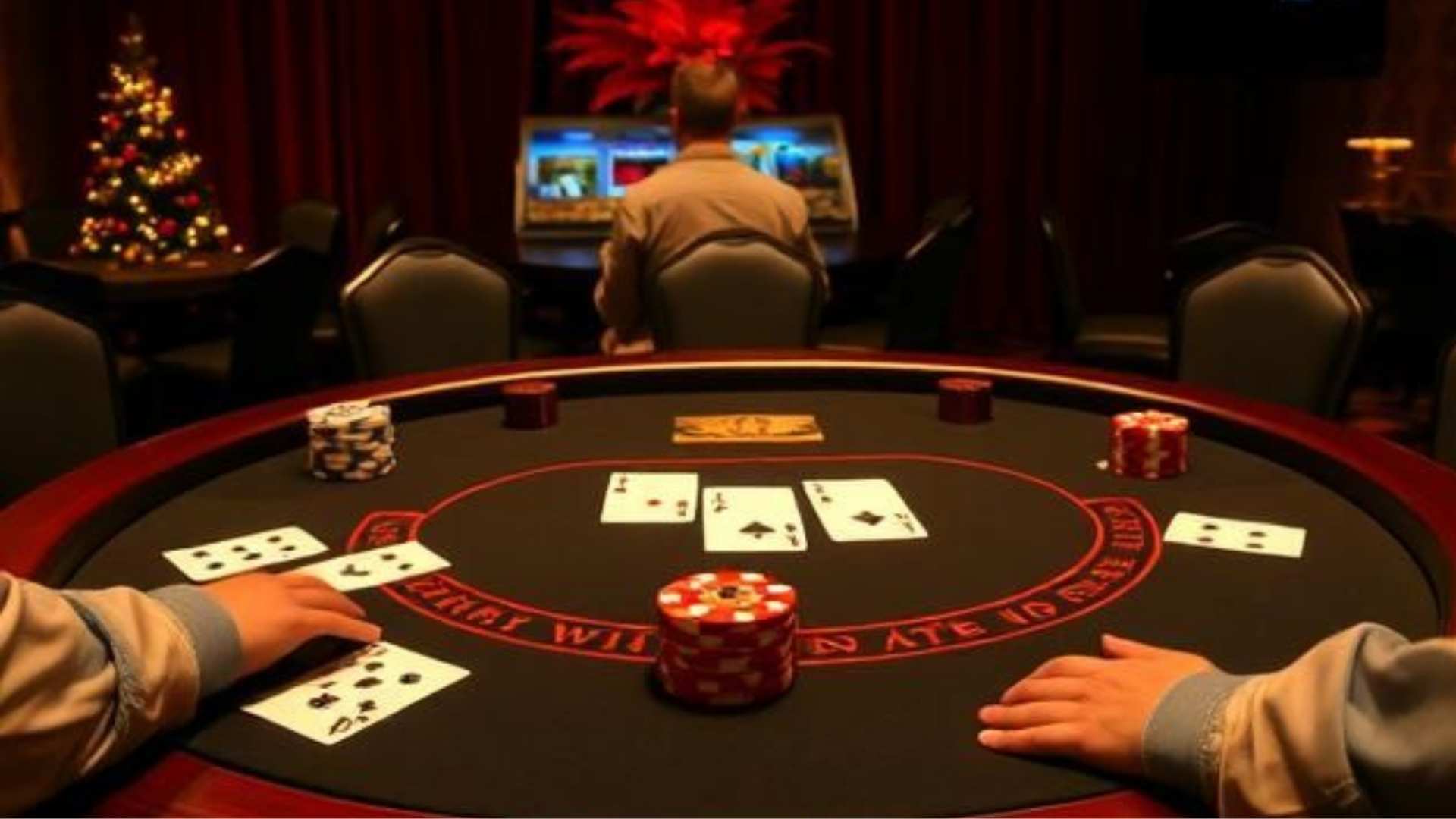
Tabletop gaming has experienced a massive resurgence as players seek more engaging, intellectually stimulating ways to spend their leisure time. While purely luck-based activities have their place, games that demand a fusion of sharp critical thinking and tactical execution consistently offer the most rewarding experiences. Understanding how to balance these elements can elevate a casual hobbyist into a formidable competitor.
The Core Balance of Skill and Calculation
In many classic setups, players must continuously calculate probabilities and adapt to shifting circumstances in real time. This dynamic environment rewards those who study optimal patterns while remaining flexible enough to respond to their opponent's unexpected moves. Success in these arenas is rarely accidental, as experienced competitors rely heavily on proven mathematical foundations to guide their decisions.
Developing this dual focus helps sharpen general decision-making abilities that extend far beyond the gaming table. By practicing risk assessment and logical planning, participants build cognitive resilience that serves them well in daily life.
Tactical Depth in Modern Strategy
Modern tabletop designs often introduce sophisticated mechanics that limit the impact of random chance, putting the power directly in the players' hands. Whether managing scarce resources or positioning pieces across a detailed board, every single decision carries measurable weight. This elevated level of agency keeps participants deeply invested from the opening setup to the final turn.
For those looking to transition their strategic instincts to a digital format, choosing a reliable and secure platform is paramount. Enthusiasts often explore competitive options at M88 sports to test their analytical skills in a dynamic, modern environment. Taking the time to understand the unique rules of each platform ensures a much safer and highly enjoyable gaming session.
The Psychological Element of Table Play
Beyond mathematical formulas and physical positioning, many of the best table games feature a critical human element. Reading an opponent's body language, detecting subtle bluffs, and managing your own emotional responses are vital skills that cannot be ignored. This psychological layer transforms a simple math exercise into a complex battle of wits and endurance.
Learning to control your reactions under pressure is just as important as mastering the basic rules of the game. Players who maintain their composure during challenging rounds consistently make more objective, logical choices than those who let frustration take over.
Long-Term Benefits of Strategic Play
Engaging in skill-based activities regularly serves as an excellent mental workout that helps keep cognitive functions sharp across all age groups. It encourages continuous learning and problem-solving, preventing mental stagnation while providing a highly social outlet. The shared focus of a challenging match fosters genuine connections and memorable interactions among competitors.
Ultimately, the enduring appeal of these games lies in their endless replayability and the constant opportunity for personal improvement. By treating each match as a learning experience, players can steadily refine their tactics and appreciate the deep mastery required to succeed.