The card game of bridge has long been celebrated as one of the ultimate tests of cognitive strategy and mathematical deduction. While casual participants often rely on basic card-playing instincts, top-tier competitors achieve their status through specialized habits and elite mental conditioning. Unlocking the underlying methods of these master strategists reveals that consistent success at the card table is rarely a matter of simple luck.
Mastering the Hidden Code of Bidding
The auction phase serves as the critical foundation for every single hand played in a competitive bridge session. Successful players treat this initial period as a highly disciplined language designed to share maximum information with minimum risk. By constructing rigid bidding frameworks, partnerships can map out hidden card distributions before a single trick is formally initiated.
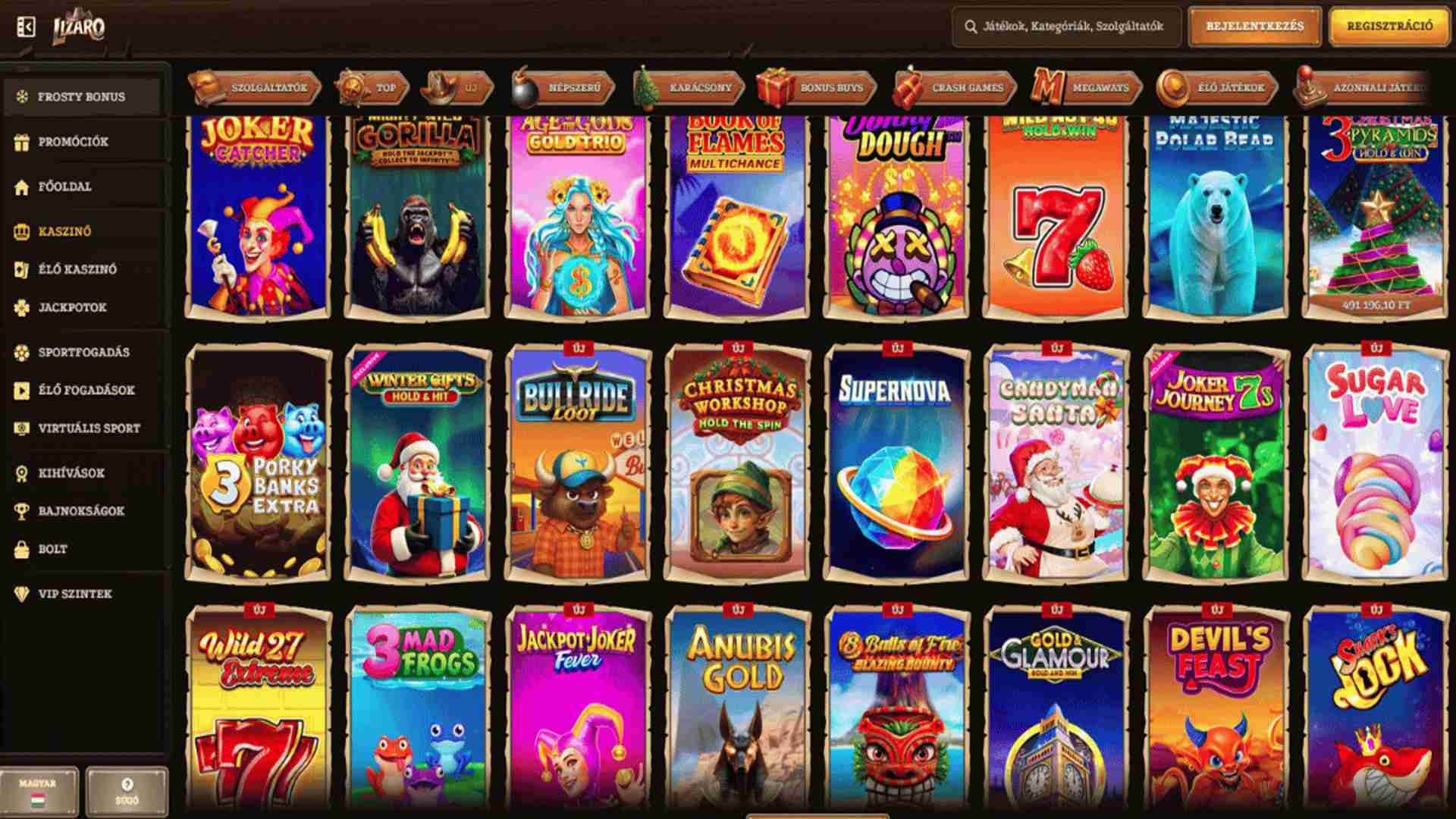
To maintain absolute focus during long tournaments, many expert card players engage in diverse mental exercises to keep their decision-making sharp. Some individuals discover that exploring fast-paced platforms like the M88 slot helps them practice risk assessment and maintain deep psychological stamina under intense pressure. Ultimately, the best players are those who can read between the lines of their partner's signals while systematically disrupting the opponents' communications.
Advanced Memory Systems and Card Counting
Once the active play begins, an elite bridge player starts running a continuous mental spreadsheet of the entire deck. They do not merely look at the cards currently on the table; instead, they precisely track which high values have fallen and which small cards remain unplayed. This rigorous process of elimination allows them to deduce the exact contents of the opponents' hidden hands with astonishing accuracy.
Developing this level of card intuition requires intense dedication and years of structured analytical practice. Master players can visualize the entire layout of the remaining suits after only three or four tricks have been completed. This predictive capability transforms difficult defensive scenarios into clear mathematical equations with predictable outcomes.
The Psychology of Elite Partnerships
Beyond individual logic and memory retention, bridge remains a strictly cooperative sport that requires absolute trust between two people. Successful players know that criticizing a partner during a match is the fastest way to destroy team harmony and trigger unforced errors. They cultivate a shared resilience that allows the partnership to survive difficult sets and bad breaks without losing focus.
Empathy and emotional control are just as critical as technical card skills when competing at the highest levels. Managing frustration prevents cognitive fatigue and ensures that both minds continue working as a single cohesive unit throughout the day. By keeping their composure, top partnerships can capitalize on the emotional lapses and structural mistakes made by less disciplined opponents.